


Prison Life: 1858-1977
Ubomi bentolongo: 1858-1977
Lewe in die gevangenis: 1858-1977
Prison Life

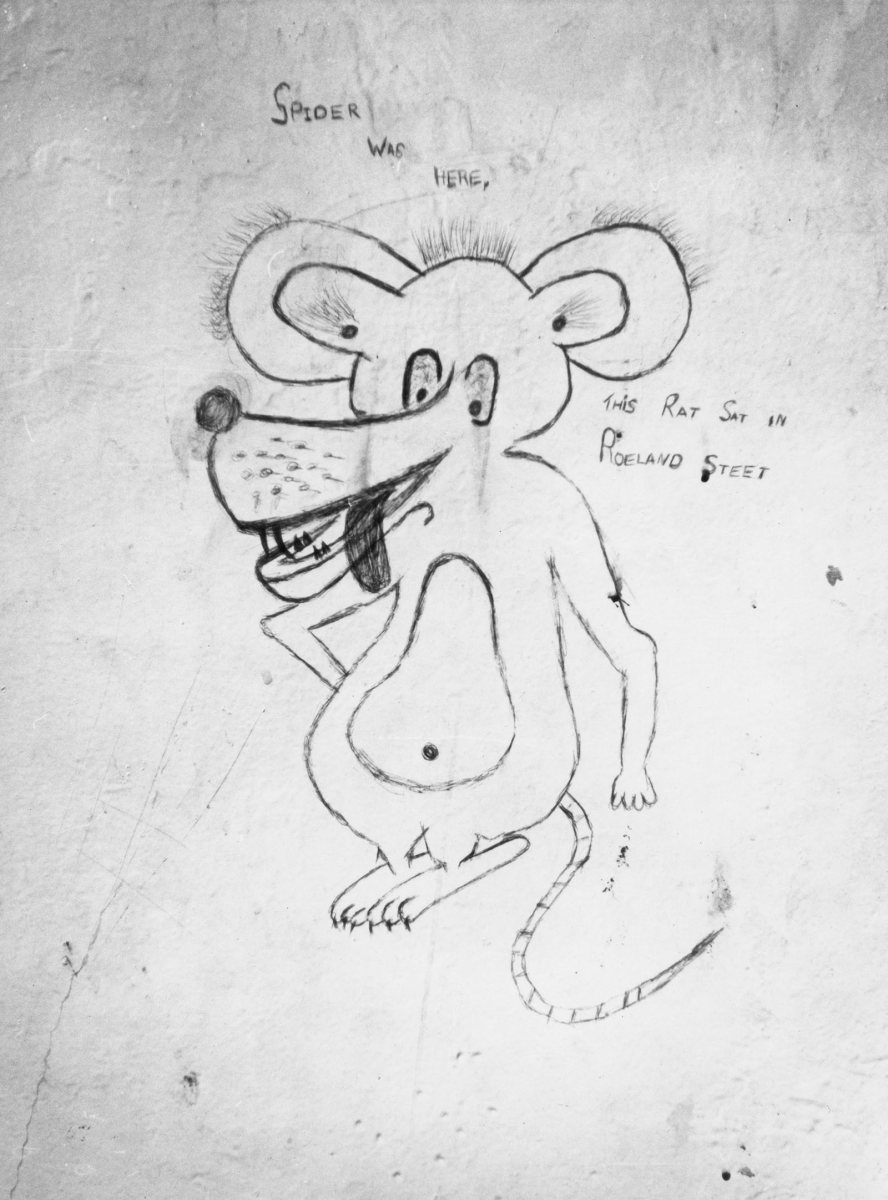
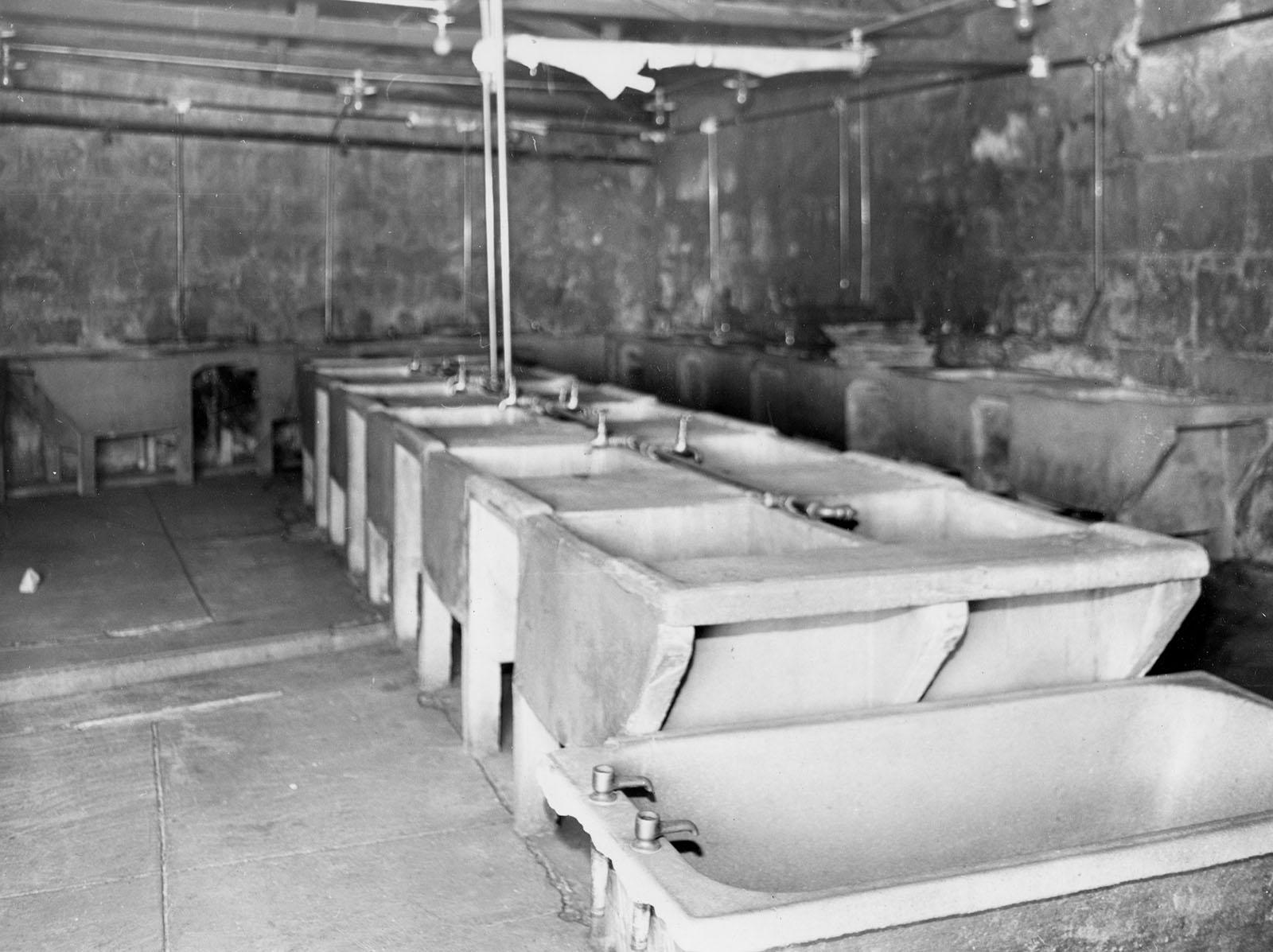
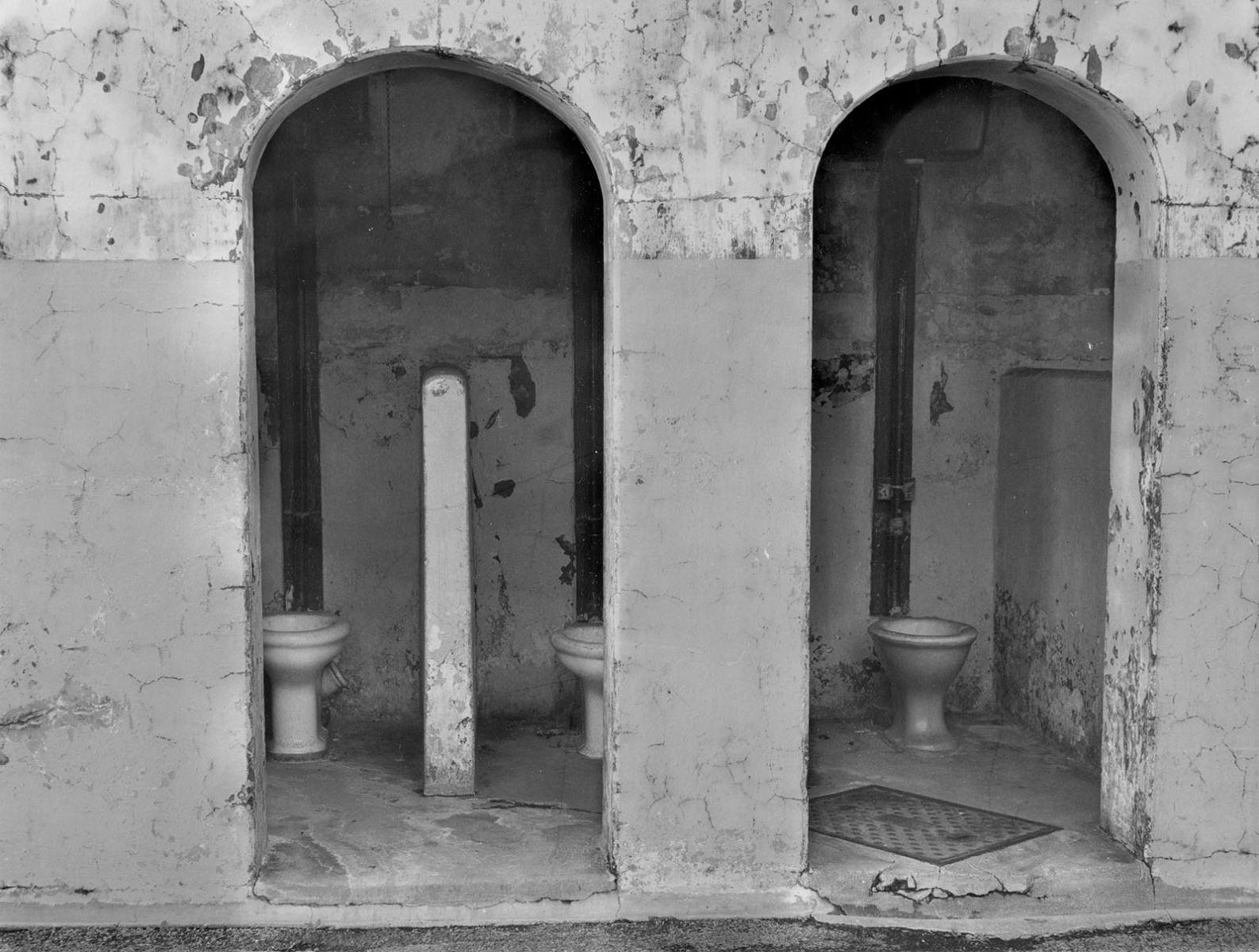
Despite being referred to as a ‘palace’, overcrowding, sickness, discomfort and severe penalties such floggings and beatings were inflicted on the inmates. The prison was described in 1936 as ‘rat-infested’ with the rodents running over sleeping bodies at night.
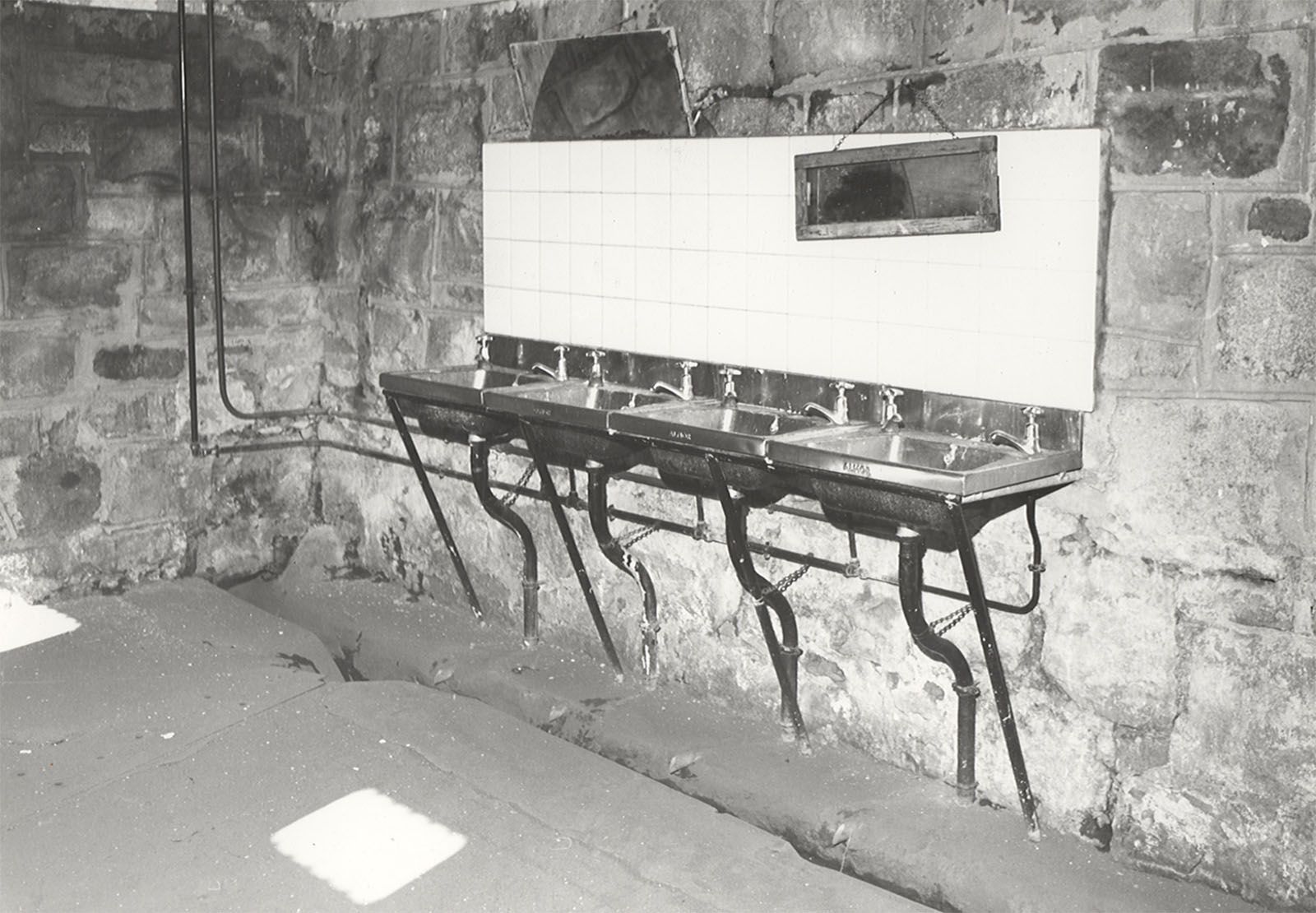
Under apartheid rule, the prison became a place of racial segregation and living conditions deteriorated to the point that it was nicknamed Cape Town’s ‘Black Hole of Calcutta’. Prison rations were described by as ‘unscientific’ and were known as ‘hungry man’s food’.
Executions
Despite the intention to only house awaiting-trial prisoners, there were death cells in the prison. The first person was executed in 1923. The last execution was of Jan Munnik in 1932 who was accused of murdering a schoolgirl. He was apprehended when her bus ticket was found on his person.
Roeland Street was an old and dilapidated jail… where I was bitten by bugs in my bed, and where rats the size of kittens were sometimes seen cavorting in the drains.
(Extract written by Stephanie Kemp: Stephanie on Trial (1968), Albie Sachs, p. 176)
Ubomi bentolongo
Nangona yayibizwa ngokuba ‘yibhotwe’, le ntolongo yayigcwele kakhulu, kukho abagulayo, abantu betyatyulwa, bembatyulwa ukubethwa oku, amabanjwa engaphathwa ngabuntu kwaphela. Ngowe-1936 kule ntolongo “akukho ndawo yayingenamabuzi’, ebaleka phezu kwabantu ebusuku.
Phantsi komthetho wocalucalulo, intolongo yaba yindawo yokucalulwa kwabanttu ngokobuhlanga nemeko yokuphila embi kangangokuba yade yathiywa igama lokuba yi‘Black Hole of Calcutta’ yaseKapa. Ukutya ekwakusisabelo samabanjwa kwakusithiwa ‘akuphucukanga’ kukwabizwa ngokuba ‘kukutya kwezilambi’.

Ukubulawa kwabantu
Nangona injongo yayikukugcina kuphela abantu ababesalinde ukugwetywa, zazikho zona izisele ekwakufiwa kuzo. Umntu wokuqala wabulawa ngowe-1923. Ngowe-1932 kwabulawa uJan Munnik owayetyholwa ngokubulala intombazana eyayisahamba isikolo. Wabanjwa ngokusuke itikiti lebhasi lale ntwazana libhaqwe kuye.

Lewe in die gevangenis

Ondanks die feit dat daar na die gevangenis verwys is as ’n ‘paleis’ was oorbevolking, siektes, ongerief en lyfstraf aan die orde van die dag. Die gevangenis is in 1936 as “besmet met rotte” beskryf en die knaagdiere het snags oor slapende liggame gehardloop.
Die gevangenis het onder die apartheidsbewind ’n plek van rasseskeiding geword en lewensomstandighede het so versleg dat dit op ’n stadium die bynaam gekry het van Kaapstad se ‘Swart Gat van Calcutta’. Gevangenisrantsoene is beskryf as “onwetenskaplik” en het bekend gestaan as “’n honger man se kos”.
Teregstellings
Alhoewel die aanvanklike bedoeling van die Roelandstraatse Gevangenis was om slegs verhoorafwagtendes te huisves, was daar selle vir ter dood veroordeeldes in die gevangenis. Die eerste persoon is in 1923 tereggestel. Die laaste persoon wat tereggestel is, was ene Jan Munnik in 1932. Hy was aangekla van die moord op ’n skoolmeisie en hy is aangekeer toe die vermoorde meisie se buskaartjie by hom gevind het.
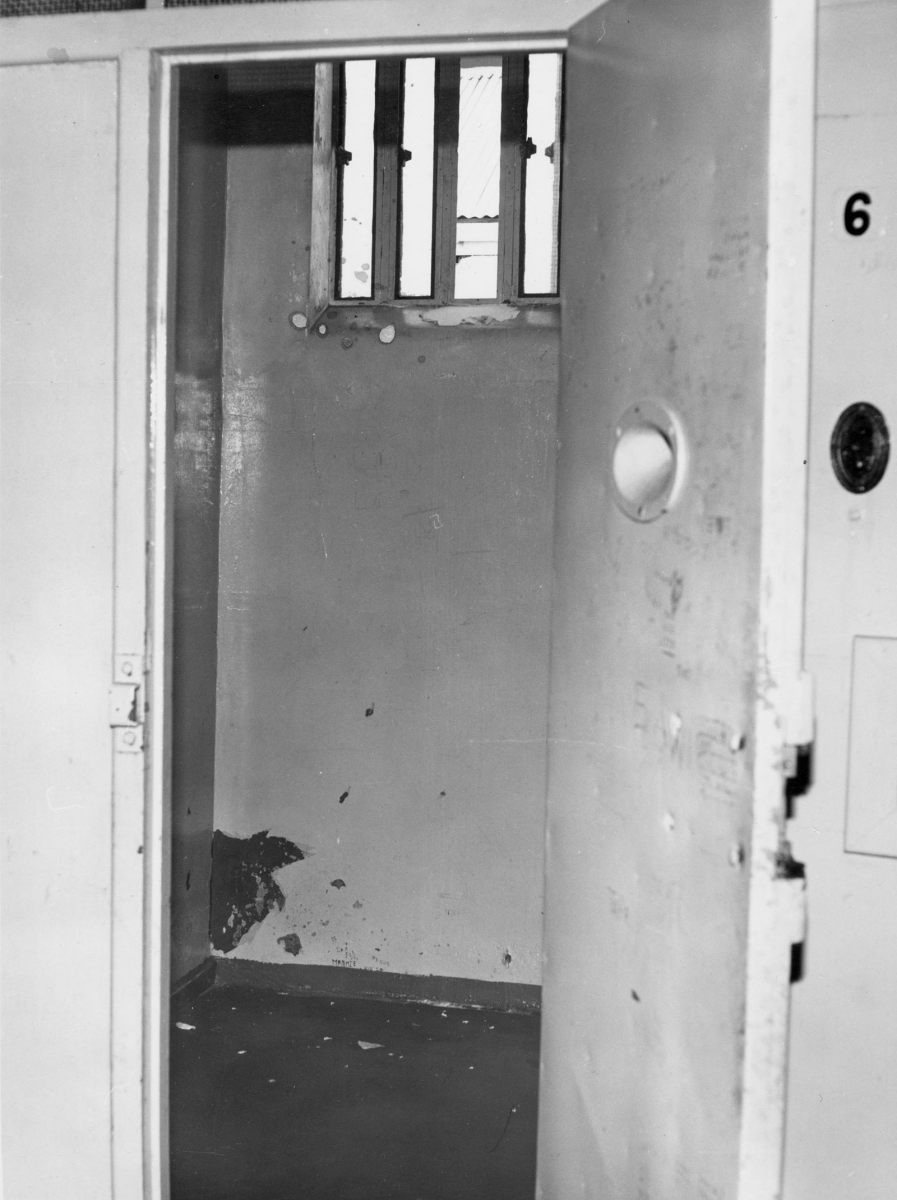
The Hole was on the ground floor; the punishment cell which was a square, windowless box, painted pitch black on the inside.
(The Stone Country (1967), Alex La Guma, p. 101)


Die kos, it was net elke dag stampmielies, stampmielies, stampmielies en rys…sometimes le dar wurms oek in die pap
– Noordien
– Noordien

Dit was skoon en netjies… jy kon geeet het van die vloor af
– Adams
– Adams

Rations
In 1967 delegates of the International Red Cross visited Roeland Street, Robben Island, Victor Verster and Bellville prisons. According to their findings, a specimen diet of South African prisons was as follows:
Breakfast: Porridge of mealie meal and bread
Lunch: Meat, bread and vegetables
Supper: Protone soup powder, vegetables and bread
Die kos, it was net elke dag stampmielies, stampmielies, stampmielies en rys…sometimes lê dar wurms oek in die pap
– Rukeyah Noordien, interviewed 2003
I learned to smuggle my meat ration to the Coloured prisoners in exchange for ‘twak’ (cheap tobacco). I learnt to smoke ‘zolls’ (rolled cigarettes) with the ‘twak’ and then split smuggled matches into four pieces with a pin in order to make them last longer.
(Extract written by Stephanie Kemp: Stephanie on Trial (1968), Albie Sachs, p. 176)
CSC1.1.1.165 (19)Jan Munnik Court Case and death sentence


Beyond this guard was a grille of steel bars running from wall to wall, cutting off the gateway from the entrance yard, and another guard with a key stood by the gate in the grille, re-counting the prisoners who stepped through.
(The Stone Country (1967), Alex La Guma, p.18)
Dr Verwoerd’s household laundry was washed by the prisoners…I wondered if Dr Verwoerd would have sacrificed the cheap jail rate if he heard the earthy comments made about his underwear in the crude language which was the only one Roeland Street knew.
(Extract written by Stephanie Kemp: Stephanie on Trial (1968), Albie Sachs, p. 177)
Prison Life: 1858-1977 continued …
Ubomi bentolongo
Lewe in die gevangenis




In collaboration with the Western Cape Archives and Records Service
